Halloween’s over. Unfortunately, those scary household bills didn’t get the memo. 👻
Inflation is climbing. Mortgage pressure isn’t going away. And everything from rent and electricity to insurance and groceries seems determined to take a bigger bite out of our money.
So if your budget feels tighter than the headlines suggest, you’re not imagining it.
The cash rate gets most of the attention, but the real scare is closer to home: the everyday costs that keep climbing, whatever the RBA decides.
In this month’s RBA and Economic Update, Ben Kingsley and economist Evan Lucas unpack what’s driving Australia’s stubborn inflation and why interest rates can’t fix everything.
The Big Takeaways
- Inflation isn’t going away quietly. Headline inflation reached 4.3% in September, and everyday household costs remain under pressure.
- Everyday costs are still climbing. Some of the bills Evan calls ‘life admin’ have risen by as much as 37% since COVID.
- Australia has a homegrown problem. Rising housing costs and weak productivity are making inflation harder to control, and interest rates can’t fix everything.
- Your financial position matters more than the headlines. Whatever your situation, knowing your numbers can help you make better decisions.
How the Cash Rate Reaches You
The cash rate is the interest rate the RBA targets for overnight loans between banks. You never pay it directly, but it flows through to you in different ways depending on your situation:
- If you have a variable home loan, lenders usually pass cash rate changes on to your interest rate, which changes your repayments.
- If you have savings, banks often move their savings rates in the same direction.
- If you rent, the effect is less direct. Interest rates can influence landlords’ costs, housing supply and demand, but rental prices depend on wider market conditions too.
Whatever your situation, rates shape the wider economy: jobs, prices and how much businesses invest. The RBA uses interest rates to influence spending and help bring inflation back towards its 2–3% target, while also considering employment.
Why Everything Feels So Expensive
Evan tracks a group of everyday costs he calls ‘life admin’: rent, council rates, maintenance, utilities, fuel, public transport, insurance and childcare.
According to the data Evan presents, those costs are rising at around 5.45% a year. That’s down from above 6% when Ben and Evan last looked at it, which sounds like good news. But slower inflation doesn’t mean prices fall. It means they rise more slowly, on top of everything that came before.
That’s why the cumulative picture matters. Since COVID, some of these costs have risen by as much as 37%.
Why Can’t the RBA Just Fix It?
If inflation is the problem, surely changing interest rates is the solution?
Well, not quite.
Evan describes the RBA’s approach as “a sledgehammer doing fine art”. And it’s a pretty good way of putting it.
Higher interest rates can discourage borrowing and spending, helping to reduce demand across the economy. But they can’t directly fix Australia’s housing shortage, train more skilled tradies or make construction projects run more efficiently.
Ben and Evan highlight how construction productivity has gone backwards over the past 25 years. According to the figures they discuss, an apartment block that once took 17 months to deliver can now take 31! And when homes take longer and cost more to build, increasing housing supply becomes even harder.
That’s why Australia’s productivity challenges are such an important part of the inflation story. It’s not simply about how much we’re spending. It’s also about how efficiently our economy can produce what we need.
We’re Worried About Money. So Why Are We Still Spending?
Here’s an interesting one.
Consumer confidence is falling, and Australians are increasingly worried about their finances. Yet the latest ABS figures show household spending was still 6.8% higher in August than a year earlier, measured in dollar terms. Some of that increase reflects higher prices rather than people buying more.
But spending in areas such as cafés, restaurants and other services has also remained resilient. So what’s going on?
As Ben and Evan explain, not everyone is experiencing the cost-of-living squeeze in the same way. Some households are juggling higher mortgage repayments and increasingly expensive essentials. Others have accumulated savings, fewer debts or more flexibility to keep spending.
And while the national figures tell one story, your household’s financial position could look completely different. Which is exactly why understanding your own income, expenses and commitments matters so much.
What Does This All Mean For Me?
How all of this lands depends on where you sit:
- Paying off a mortgage? Your repayments depend on what lenders do with the cash rate, and December’s meeting is another one to watch.
- Renting? Ben doesn’t expect rents will fall any time soon.
- Saving? Higher rates generally mean better returns on savings.
- Thinking about buying? Ben sees the current property correction creating some of the best buying conditions in years for people in a strong position to act.
You Can’t Control the RBA, But You Can Get Clearer on Your Money
The next RBA meeting is on 8 December 2026, and there’s plenty of economic data still to come.
Will inflation ease? Will household spending slow? Time will tell. But here’s the good news: You don’t need to predict the next interest rate decision to start making smarter money moves today.
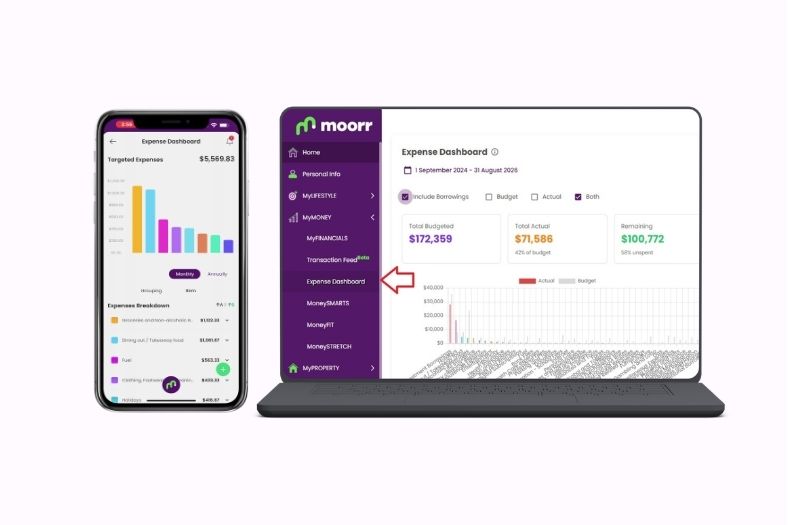
Moorr is built for moments like these, when knowing your numbers matters more than ever.
Here’s where you can start:
✅ Revisit your financial goals. Refine your priorities in MyGOALS and use MoneySTRETCH to see how your finances might cope if things change.
✅ Keep an eye on your properties. Monitor your property portfolio in MyPROPERTY and understand how changing conditions could affect your position.
✅ And don’t forget your home loan! With interest rates staying higher for longer, even small tweaks to your interest rate can add up to big savings. Just tap on “Professional Services” in the Moorr app to connect with a mortgage broker and explore your options.